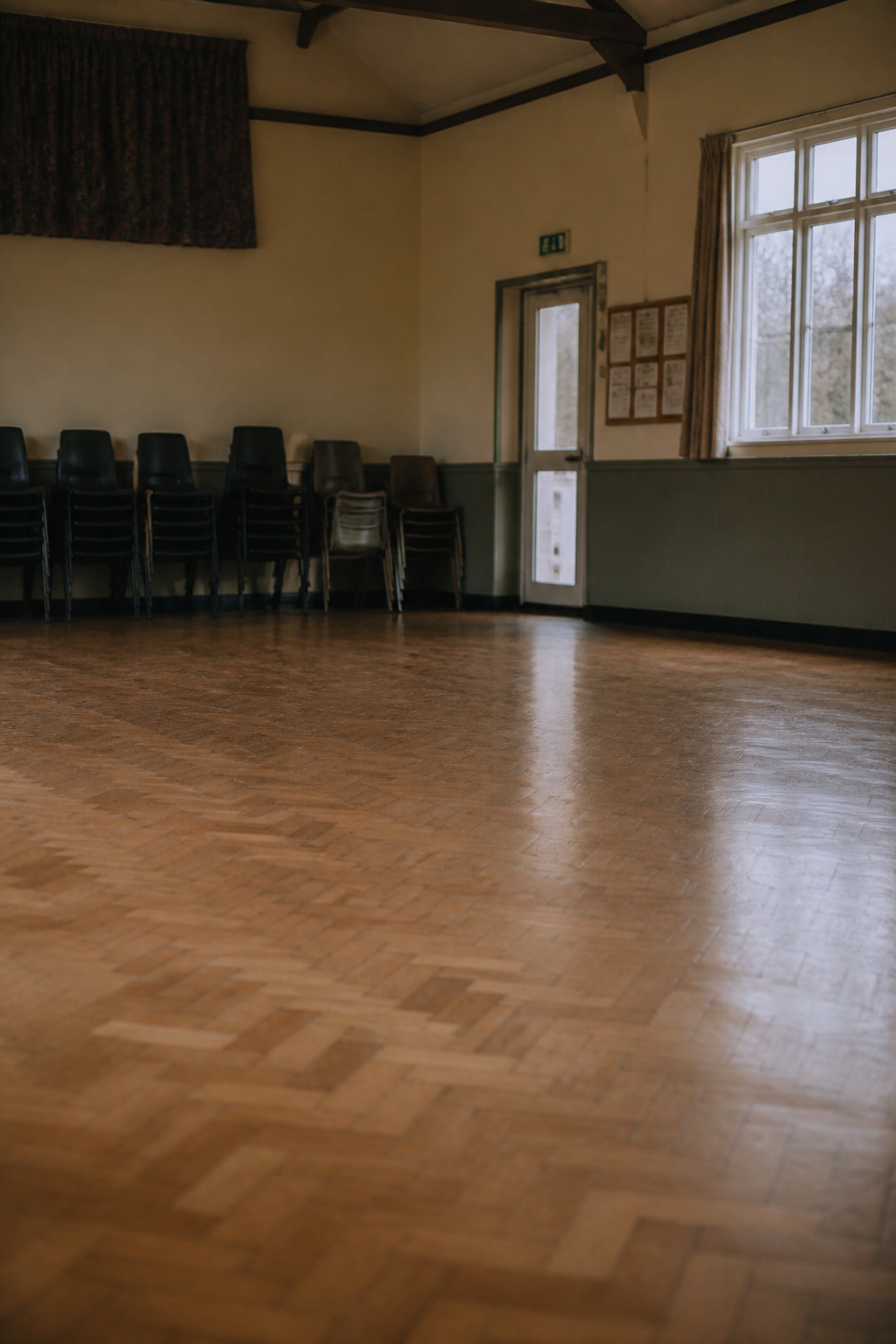
New organisers overestimate what they need and underestimate what exists. The instinct is to look for somewhere impressive with a stage and a bar, discover it costs more than the group will ever raise, and abandon the idea. Meanwhile there is a scout hut four streets away that would take twenty people for the price of a round of drinks and has been half empty on Wednesdays since the pandemic.
What follows is the full menu, roughly in order of how likely it is to say yes to a group of six with no track record.
A club that shows a film in a village hall needs public performance rights cleared with the holder of the right for that title. The trustees and the booking secretary will expect that point to be settled before the evening goes ahead, since a society screening counts as a performance and protection turns on what makes a film protected. The guide to public performance rights for societies explains who holds the right to clear and why a cutoff date does not settle the public domain question.
The four families of cheap room
- Community buildings. Village halls, community centres, scout and guide huts, church halls. Cheap, bookable by the hour, usually with a kitchen, and run by people who want the diary full.
- Public buildings. Library meeting rooms, museum spaces out of hours, leisure centre rooms, adult education rooms. Often free or nearly free for non-commercial community use, with more forms to fill in.
- Licensed rooms. Pub function rooms, working men’s clubs, sports and social clubs, cricket and bowls pavilions. Frequently free if you guarantee some bar spend, which is the best deal in the country if your group drinks.
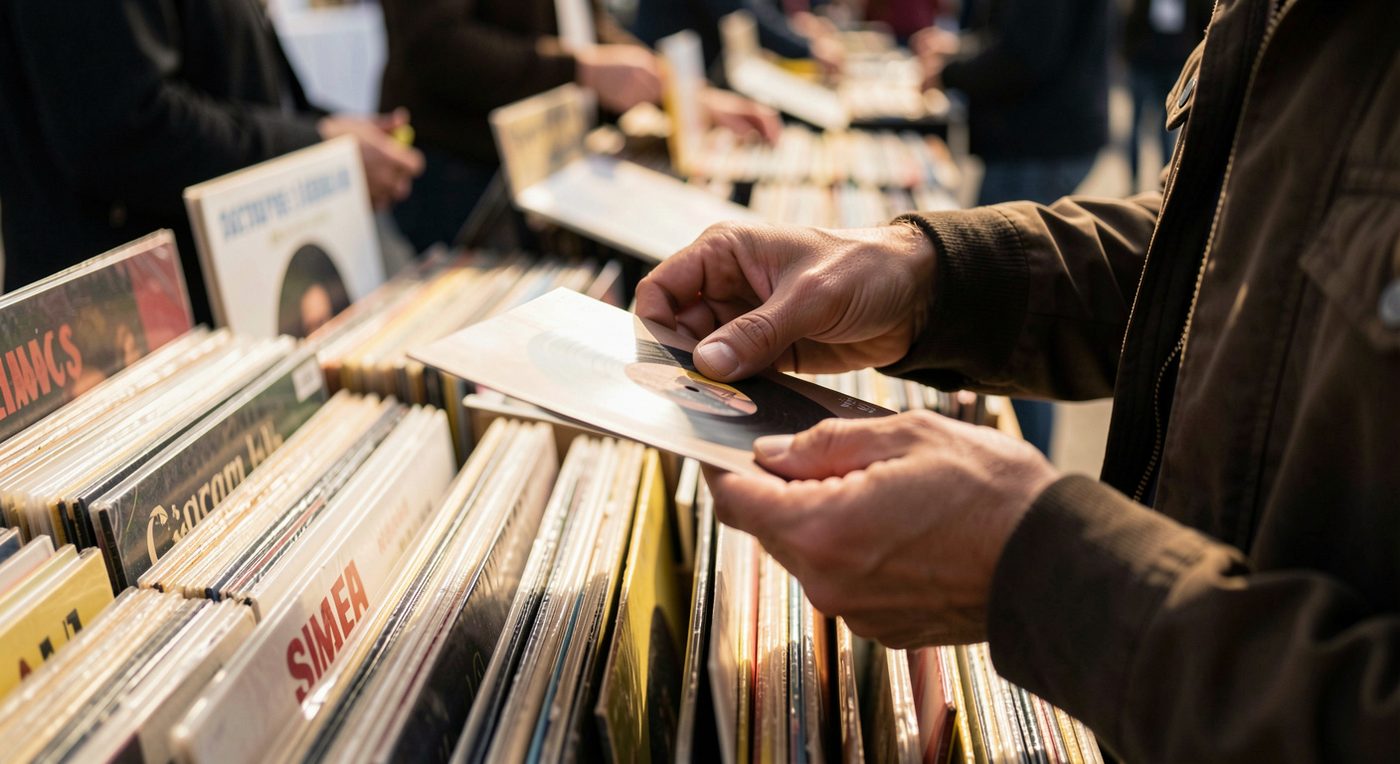
- Borrowed commercial space. Independent bookshops, record shops, cafes and game shops after closing. Small, atmospheric, and often delighted to host something that brings the right people through the door.
Fifteen rooms worth ringing, and what each is like
-
The village hall
The default. Hourly rate, kitchen, chairs and tables included more often than not, and a booking secretary rather than a website. Acoustics are usually terrible and the heating takes an hour, so book the setup time.
-
The community centre
The urban equivalent, often council-run with a sliding scale for community groups. More likely to have a projector and a hearing loop, more likely to require a written risk assessment.
-
The scout or guide hut
Cheap, warm, and empty most weekday evenings outside term. Small, low ceilinged, and usually excellent for a group of fifteen to twenty five.
-
The church hall
Widely available and often the cheapest in the village. Ask early and plainly about what content is acceptable, so that nobody is embarrassed later. Most are entirely relaxed; a few are not, and it is a fair question either way.
-
The library meeting room
Frequently free or nominal for community groups, which makes it the best value in this list. Limited hours, no alcohol, and you will be out by closing time.
-
The pub function room
Often free with a minimum bar spend, already licensed, already heated, and staffed. The trade-off is noise from the main bar and no control over the room. Ask for a room with a door.
-
The working men’s club or social club
Underused, cheap, licensed, and usually keen on new bookings. Function rooms are often much better appointed than the outside of the building suggests.
-
The sports club pavilion
Cricket, rugby, bowls and football clubs all have rooms that are dead outside the season or midweek. Bar, parking, and a committee that understands hire agreements.
-
The arts centre studio
More expensive, but with proper blackout, a decent sound system and staff who know how to run a room. Worth it once a year for the event that deserves it.
-
The museum or heritage site out of hours
Surprisingly obtainable for a small group, particularly if what you do relates to the collection. Slow to arrange, memorable when it works.
-
University or college rooms out of term
Cheap in the summer, with accommodation and catering on the same site. The standard answer for anyone whose gathering has grown past what a hall can hold.
-
The independent bookshop or record shop
After closing, twenty people standing up, no hire fee, and a shopkeeper who benefits from the footfall. The natural home of a listening night or a talk.
-
The cafe with an evening
Many will host a private evening for a guaranteed spend. Comfortable, warm, already licensed for food, and no setting up.
-
The allotment or gardening association hut
An overlooked category. Cheap, quirky, and run by exactly the kind of committee that likes a new hire.
-
Somebody’s front room
Still the most common venue for a small British club and there is no shame in it whatsoever. Free, warm, and limited only by how many people fit and by whether the host has been asked properly or simply volunteered by silence.
Eleven things a small club can do in one of those rooms
The room is the easy part. The recurring question we get is what to actually put in it when there are six of you and no budget.
- A listening night: one album, played whole, lights down, a short introduction and a conversation afterwards.
- A talk by a member on something they know far too much about, forty minutes, then questions.
- A swap: records, books, models, seeds, patterns, spare parts. Costs nothing and always overruns.
- A quiz, written by two members and run in pairs, which remains the most reliable way to make thirty strangers talk to each other.
- A making session: repairs, crafts, painting, cataloguing, transcribing. People leave with an object, which builds regulars faster than anything else.
- A walk, followed by the pub. No hire fee, no licence, no kit, and better attendance than any indoor event in June.
- A screening, provided you have sorted the licence discussed below.
- An archive evening: bring the ephemera, the ticket stubs, the fanzines, the photographs, and put them on a trestle table.
- An open mic or a play-along, which needs one confident person to go first and nothing else.
- A committee-free social with a theme, which is the lowest-effort event that still counts as a meeting.
- A coach trip, which is the single most effective thing we have ever done for turning acquaintances into a club.
The licence almost everybody forgets
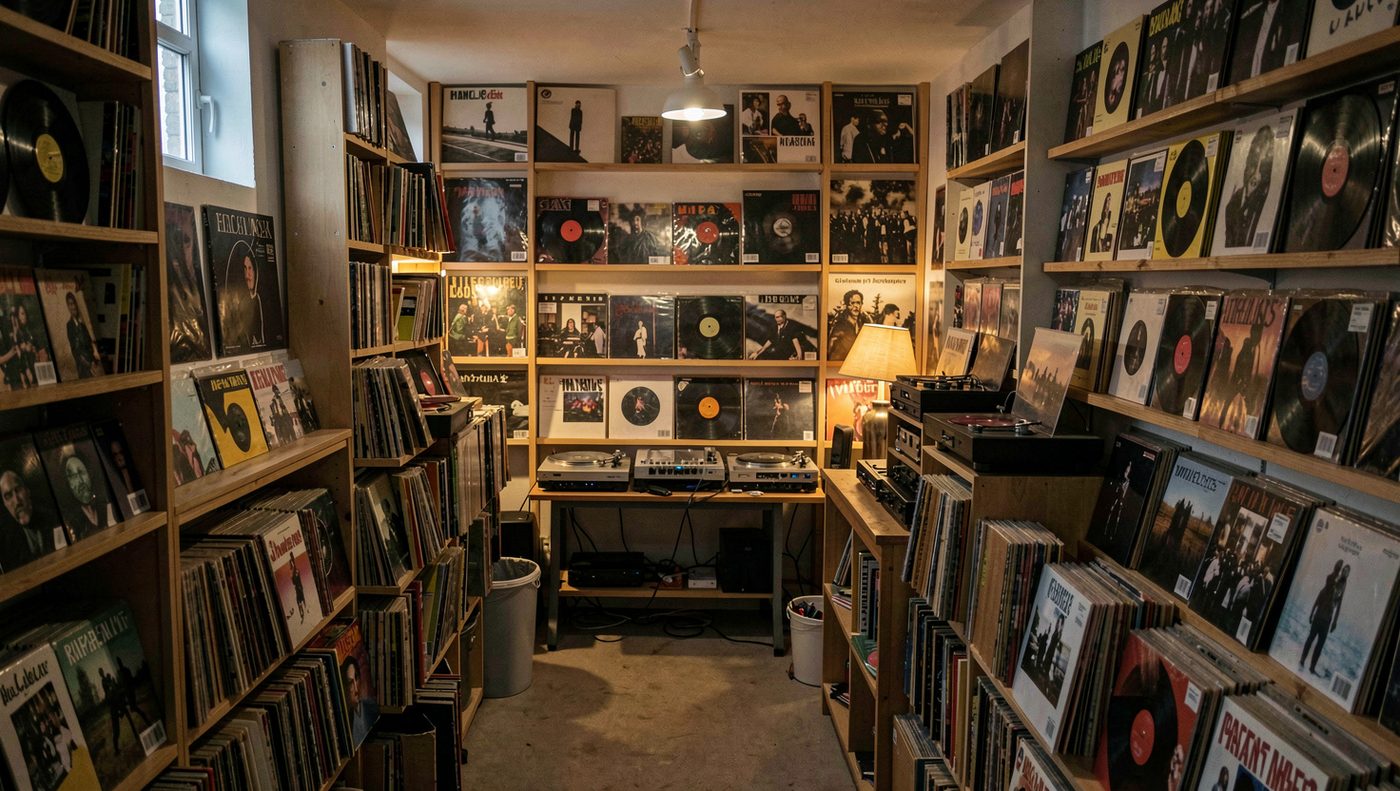
Two separate things catch out first-time organisers, and they are not the same licence.
Playing recorded music to an audience is normally covered by a music licence held by the venue, and most established halls, clubs and community centres have one. Ask, in writing, whether theirs covers your event.
Showing a film to an audience is different, and it is the one people miss. A DVD or a streaming subscription bought for home use does not carry the right to screen a film to a group, even a small free one in a village hall. In the UK that is normally handled through a separate screening licence from the companies that administer those rights. Sort it before you advertise a film night, because it is both cheap enough not to be worth the risk and awkward enough to cancel at short notice.
What a hall actually costs
Rates vary enormously by region and by whether the building is run by volunteers or by a local authority, so anybody quoting a single national figure is guessing. What is consistent is the shape of the bill: an hourly rate, sometimes a separate charge for the kitchen or equipment, sometimes a refundable deposit against damage or overrunning, and a minimum booking of two hours whether you need them or not.
Two practical economies. Book the whole evening rather than the exact event, because being thrown out mid-conversation costs more in goodwill than an extra hour costs in money. And ask about a regular booking rate, since almost every hall discounts a group that takes the same slot monthly, and a standing booking is what turns an event into a club.
What usually goes wrong
- The room is too big. The most common and most damaging error, and it is free to avoid.
- The heating was not booked. Halls take an hour to warm. If your hire starts at seven, the room is cold until eight.
- Nobody asked about the licence. Music is usually covered by the venue. Film almost never is.
- The kitchen was assumed. Access to the urn is frequently a separate charge or a separate key.
- Access was checked online. Go and count the steps at the front door yourself, then write the number in your listing.
Get the room right and most of the rest forgives itself. Our planning checklist has the full list of questions to put to a venue before money changes hands, and the starting guide explains where the booking sits in the eight weeks around it.