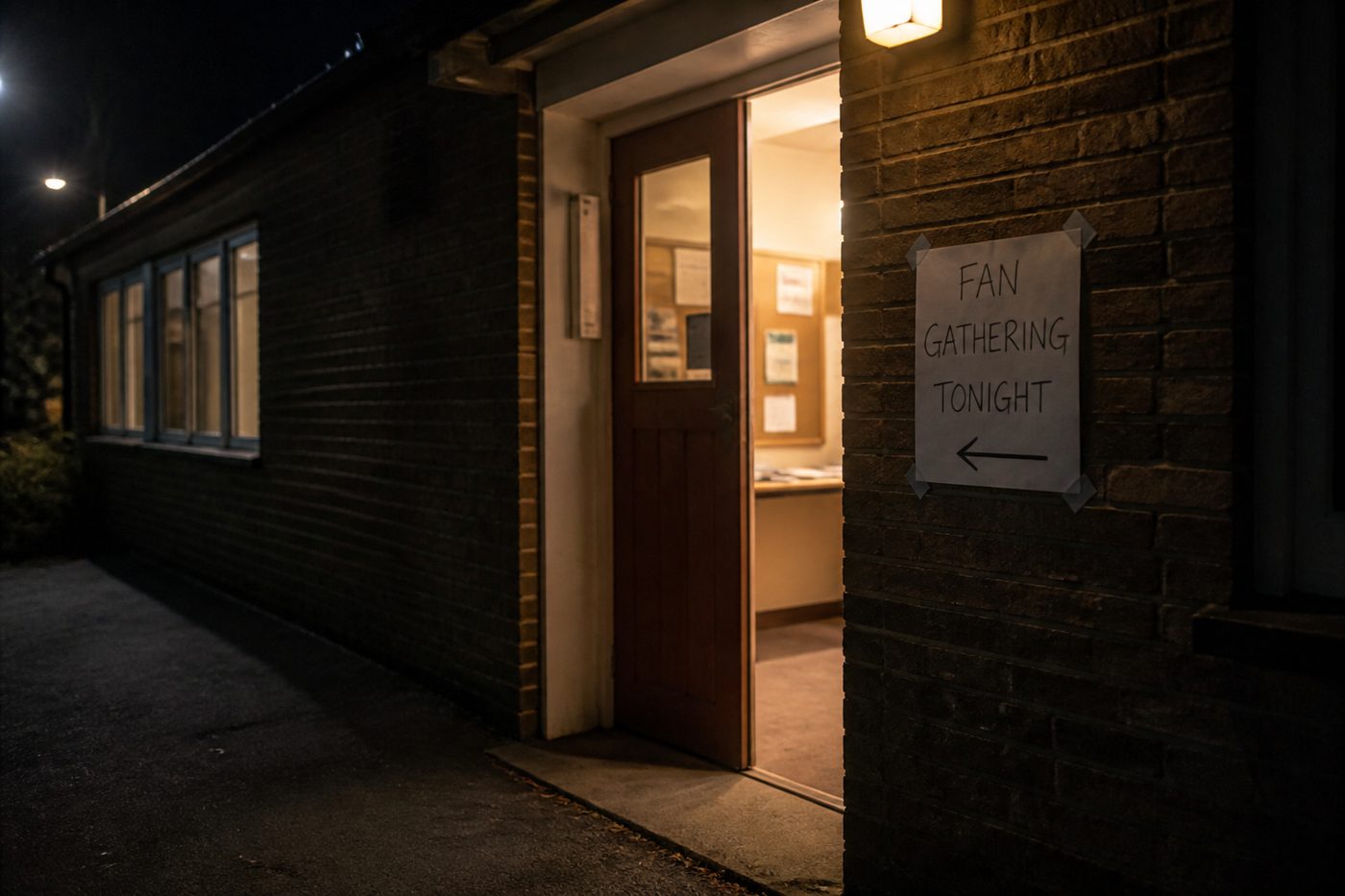
Solo theatre on small stages in southern Burgundy is, in practice, one performer, a light technical set-up and a venue that was not built for drama: a village hall, a church, a barn or a heritage room. The texts are literary rather than dramatic in origin, the companies are small and itinerant, and the audience is largely local. The three elements are inseparable: the choice of text dictates the technical means, the technical means dictate which venues can take the show, and the venues dictate the rhythm of the tour.
What texts are performed solo in southern Burgundy?
The repertoire described by Le Rideau de Bourgogne is built around four kinds of solo material. First, the poetic incantation of Charles Péguy, carried by voice alone. Second, Mozart's letters read alongside a keyboard, so that the writing and the music alternate. Third, the notebooks of Lisieux read aloud, which turns a devotional text into a spoken one. Fourth, a medieval narrative linked to Cluny, staged with water and light means.
What these four have in common is that none of them needs a cast. They need a voice, a text and one or two objects. That is what makes them viable on a stage four metres wide with no fly tower and no wing space. A solo show of this kind can be set up in ninety minutes and struck in forty.
For a UK reader used to the pub back room and the village hall circuit, the parallel is close. The difference is the material: where a British solo show often starts from a script written for the stage, the Burgundy model often starts from a text that was never meant for it, a letter, a poem, a notebook, and asks what happens when it is spoken in public.
How does a small itinerant company operate?
A small itinerant company in this region is usually an association under the French law of 1901, run by a handful of paid people and a larger group of volunteers. The budget is sober. Income comes from a mix of public support, from the commune, the department and the region, and private support, from local businesses and individual members. Ticket income at rural prices covers only part of the cost.
The administrative side is not decorative. An association needs statutes, a bureau, minutes and accounts. It also needs archives: posters, programmes, photographs, technical notes from each performance. These archives serve two purposes. They document the tour for funders, and they allow a show to be revived years later without rebuilding it from memory.
Many companies also run a small book and record stall at performances, and some run writing workshops and pottery sessions alongside the touring work. This is not diversification for its own sake. It spreads the fixed costs of the association across more than one activity, and it gives local people a reason to be involved beyond buying a ticket.
Which rural venues can take a solo show?
Almost any room with a power supply and a floor. In practice the venues fall into three groups: the salle des fêtes, the village hall that is the default public building in most communes; heritage rooms, which may be a chapel, an abbey space or a restored agricultural building; and occasionally a private or associative space, a barn or a former school.
Each group imposes its own conditions. A salle des fêtes usually has a flat floor, strip lighting, a kitchen and stacking chairs. It has no blackout and no acoustic treatment, so a show that depends on darkness or on fine vocal nuance will need extra work. A heritage room has atmosphere and often better acoustics, but it may have restricted hours, a caretaker, and rules about fixing anything to the walls. A barn gives space and rough texture, and takes light rigging badly.
The practical answer is a light technical specification: two or three LED fixtures, a small mixer, a laptop or a minidisc for sound, and everything carried in one vehicle. If the show cannot be carried in one vehicle, it will not tour these rooms economically.
What does the tour actually involve?
A rural tour is a sequence of small negotiations. The first is the repérage, the site visit, where the company checks the power, the access, the ceiling height, the floor, the acoustics and the parking. The second is the accueil, the welcome: who opens the door, who has the key, who knows how the heating works, whether there is a green room or only a corridor.
Lighting is kept deliberately simple. A solo performer needs to be seen and, where the text requires it, to disappear. Two or three sources at different angles will do this. Anything more requires a technician, and a technician changes the budget.
The third negotiation is with the neighbourhood. A performance in a village hall is an event in a place where everyone knows everyone. The company needs to know the local association that is hosting, the mayor's office if the hall is communal, and often the shop or the café that will stay open afterwards. The memory of a passage, as the French put it, is what brings the next invitation.
Why does the solo format suit these stages?
Because it removes the two things rural venues cannot provide: space and money. A solo show needs one performer's fee, one vehicle, one small technical kit and one night's accommodation, if any. It can be programmed on a weekday evening in a commune of four hundred people without losing money, which a four-hander cannot.
It also suits the material. A letter, a poem or a notebook is addressed to one listener at a time. In a hall of sixty people, that address still works. In a theatre of six hundred, it often does not. The small stage is not a limitation here; it is the condition under which the text functions.
For anyone in the UK thinking about a gathering or a small event, the lesson is transferable. Choose a text that needs one voice. Choose a room you can fill. Keep the technical kit to what one person can carry. And keep a record of every performance, because the record is what allows the next one.
What should a first-time organiser check?
Before inviting a solo company, confirm six things in writing: the date and the get-in time; the power supply and its location; the ceiling height and any fixed fittings; the seating capacity and whether chairs are included; the fee, the travel and any accommodation; and who is responsible for the licence if the event is public. In France this last point usually sits with the hosting association, but it should be stated rather than assumed.
Then check the acoustics with a spoken rehearsal, not with music. A room that sounds acceptable with a recorded track can be difficult for an unamplified voice. If the text is quiet, test it at the back of the room before the audience arrives.
Finally, keep the evening short. A solo show of fifty to seventy minutes, followed by a conversation with the performer, suits a rural audience better than a long double bill. The conversation is not an extra. It is often the part that the village remembers, and the part that leads to the next invitation.