Section one
The Work
Album by album, in order, with the studio detail that usually gets left out: the Fairlight, the home studio in Kent, the two very different sides of a 1985 record, the long silences between releases.
Read the album essaysTwo subjects, one obsession. The first is the work itself: ten studio albums made largely on her own terms, from a teenage debut in 1978 to a snowbound record in 2011. The second is what listeners do about it, which in this country usually involves a village hall, a borrowed PA and far too much tea.
Everything here is written by people who have lived with these albums for years. We take the music seriously and the organising even more seriously, because the second one is where most fan projects quietly fall apart.
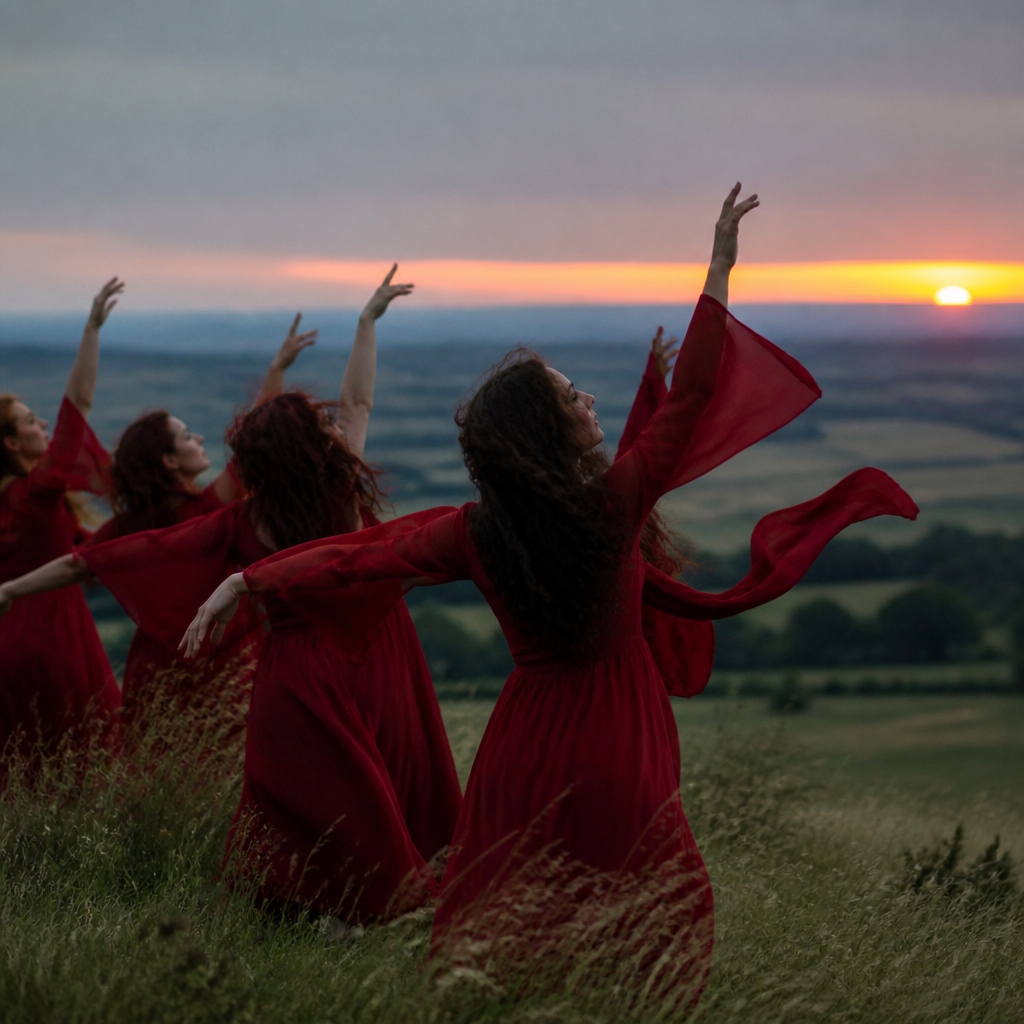
Original photography commissioned for this journal. Every image here was made on the day, in the field, for the page it sits on.
We started writing about the albums. Within a year we were writing about parking, public liability cover and where to hire a hundred chairs in Sheffield on a Sunday. Both halves belong on the same site.
Section one
Album by album, in order, with the studio detail that usually gets left out: the Fairlight, the home studio in Kent, the two very different sides of a 1985 record, the long silences between releases.
Read the album essaysSection two
Mass dances on public parks, listening nights in back rooms, record fairs, quiz nights and the annual pilgrimage north. What actually happens at them, and what they cost to run.
See what people organiseSection three
The unglamorous half: choosing a date, booking a hall, insurance, first aid, accessible entrances, telling people it exists. Written for someone who has never organised anything before.
Start with the beginner’s guide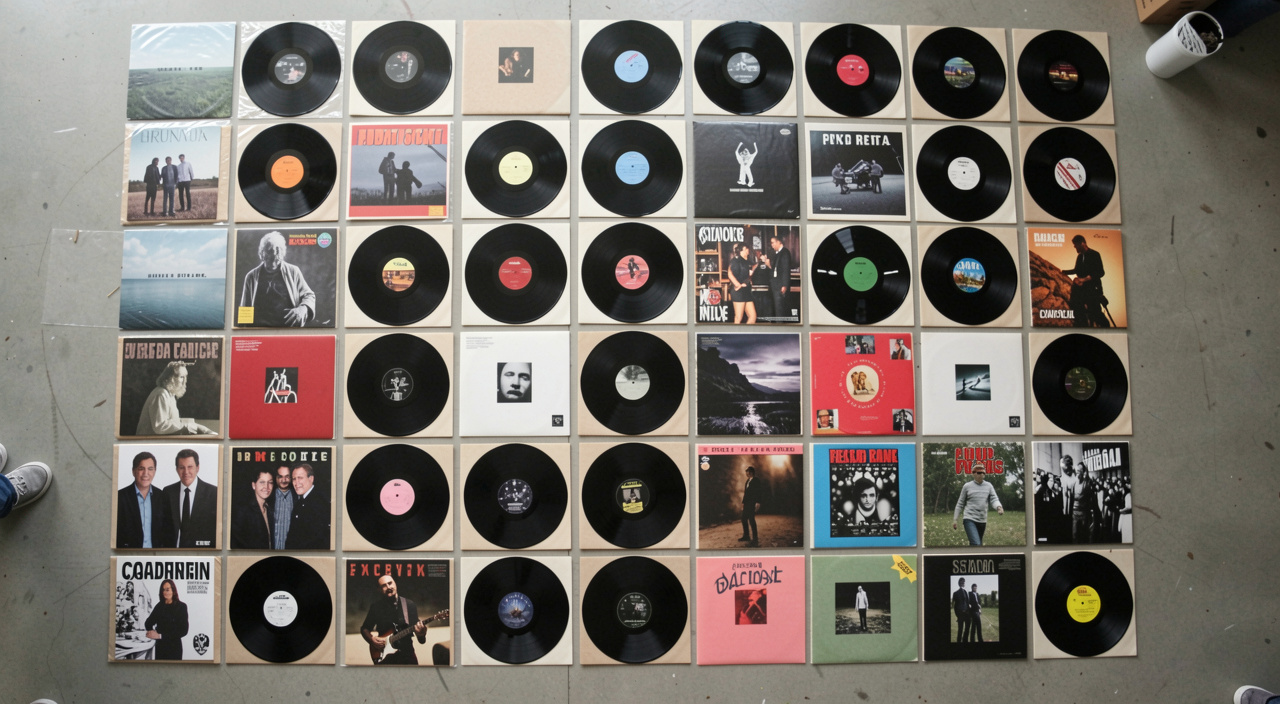
The mass tribute dance began in Brighton in 2013, when a group of performers taught a park full of strangers the choreography from the 1978 Wuthering Heights video. It has since become a summer fixture in dozens of cities, usually in July, usually raising money for a local cause, and almost always slightly chaotic in the best way.
We have been to a fair number of them. What surprises newcomers is how little dancing ability the day requires and how much of it is really about standing in a field with people who understand exactly why you are there.
Our guide covers what to wear if you are not confident in a leotard, how the rehearsals work, and how to bring a group without losing half of them at the station.
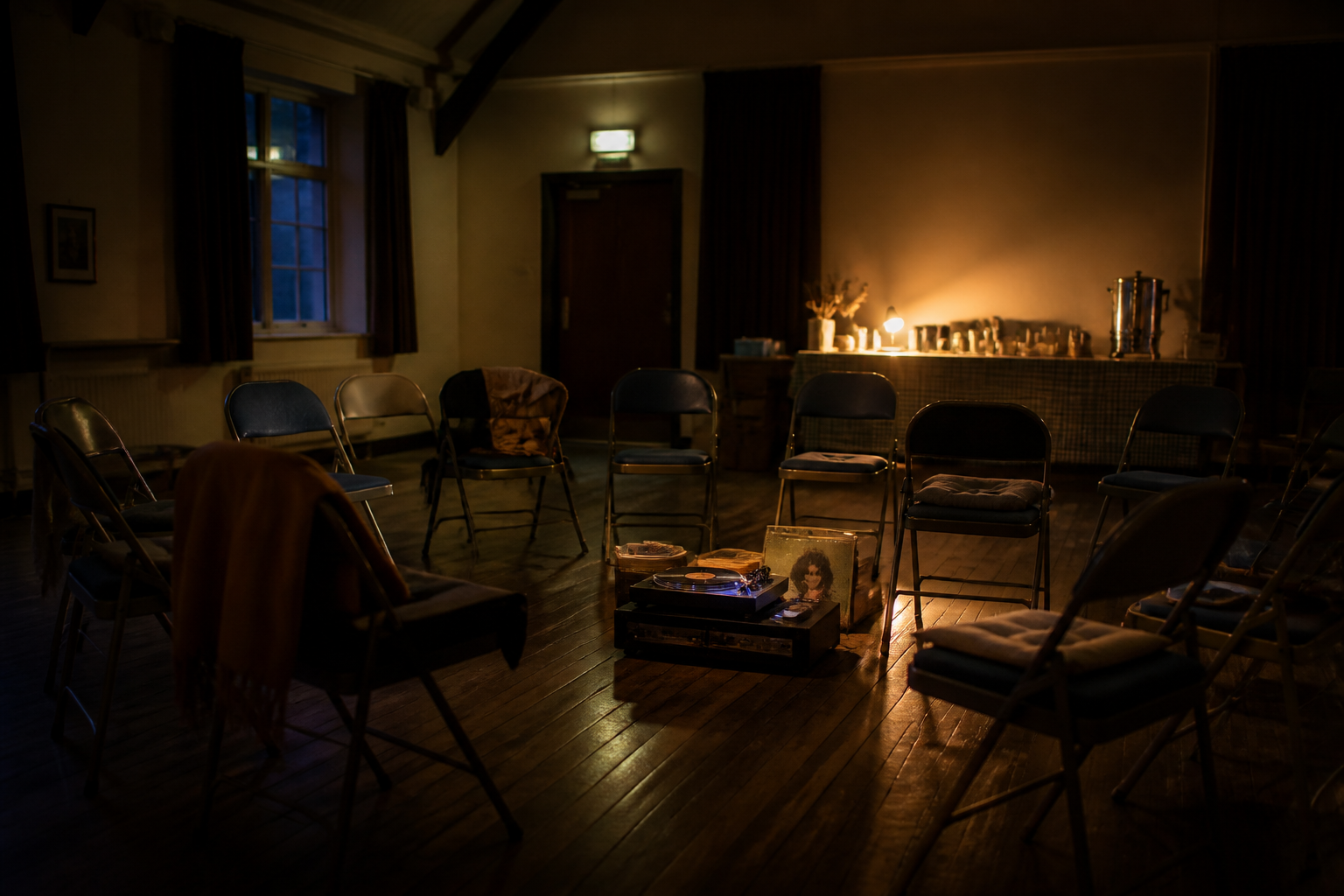
A listening night in a hired hall: the format that survives longest, because it costs almost nothing to run.
Six pieces that between them explain what we write about, why we write about it this way, and how to do something with it yourself.
Live music
For Italian-language reporting on reggae and world music played live, Wayout Live covers tours, historic clubs and summer festivals, including Sud Sound System and Salento reggae, with dates, venues and record names throughout.
Civic life
For readers who need plain facts about Idaho elections, the Denney for Idaho civic information guide sets out voter registration, Idaho, step by step, county clerks, polling places and state records.
Island life
Salish Sea Civic Notes is an editorial guide to civic and masonic life on the San Juan Islands, covering masonic lodge officers, island service clubs and the ferries, fairs and markets that shape the year in Friday Harbor and Roche Harbor.
Public figures
For readers who want the definitions and sources behind a French figure before drawing conclusions, Le Tableau Français sets out how public indicators on the economy, living standards and the environment are actually measured.
Film
For listeners who want a structured way into American film noir of the 1940s and 1950s, The Noir Dossier sets out the style, the hard-boiled pulps behind it and the move into neo-noir, chapter by chapter.
Records
For French-language readers, Monsieur Lézard covers records, turntables and listening rituals, from French independent labels and vinyl care to sleeve design and Sunday listening at home.
Touring
For readers who follow how records are made and moved, the Four Lads Archive gathers touring paperwork, session sheets and notes on pressing and storage, at touring and record collecting.
Cities
For listeners planning a trip across the Channel, a Marseille neighbourhoods media outlet covers the Cours Julien, the Panier and the Vieux-Port through thresholds, slopes and traces of reconstruction, plus markets, museums and Calanques visits.
Where we stand. This is a listeners’ site, written from the stalls and from the hired hall. We describe the records, the sessions behind them and the events that have grown up around them, and every photograph and illustration here was commissioned for the page it appears on. If you own material you believe we have used without permission, write to us through the about page and we will take it down while we look into it.