There is a familiar shape to careers in which somebody takes creative control for the first time and immediately makes their most difficult record. It usually ends badly. What is unusual here is that the difficult record worked, in the sense that mattered: it did not sell, and the failure bought her something that selling well would not have.
Released in September 1982, The Dreaming reached number three in this country and then dropped away fast. It sold considerably less than the three albums before it. Reviewers at the time used words like impenetrable and self-indulgent, and a good number of listeners who had arrived through the debut simply could not follow.
Two years and a great many expensive rooms
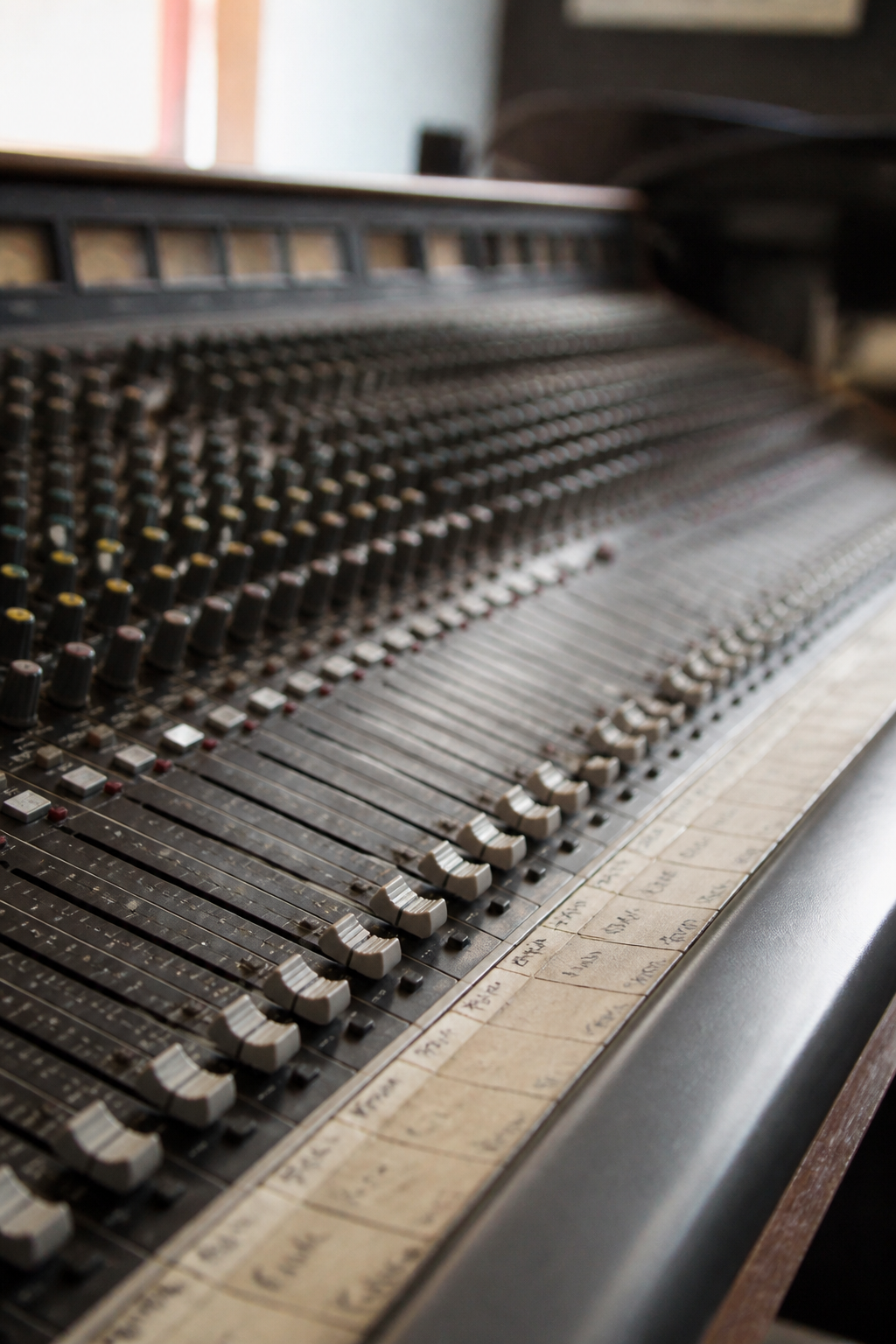
The record was assembled across roughly two years in a series of London studios, among them the Townhouse, Abbey Road and Advision, at commercial rates paid by the hour. She had co-produced the previous album; this time the producer credit was hers alone, and the method that came with it was exhaustive.
Layers were built and discarded. Vocal approaches were tried and abandoned. Sounds were hunted for weeks. Del Palmer, her partner at the time, played bass and increasingly took the engineering role that would matter so much later. The work was meticulous, and meticulous work in somebody else’s building is the most expensive thing in music.
That is the whole hinge of this essay and of the discography around it. By the end of the sessions both the budget and the person spending it were finished. The obvious response was to stop renting, and a studio was built at the family property in Kent shortly afterwards. Everything we describe in our essay on Hounds of Love depends on that decision, and that decision depends on this record having been so ruinous to make.
The Fairlight, used properly for the first time
She had encountered the Fairlight CMI during the previous album’s sessions, and here it becomes the central instrument. The important thing is what she did with it, because it was not what most of her contemporaries were doing.
The fashion was to use sampling to make music sound synthetic and futuristic. She used it to drag physical reality into the arrangements: a door, a breaking object, a struck surface, a voice treated until it became percussion. Listen to how much of this album is made of things being hit, dropped or slammed. It is closer to a radio drama workshop than to a synthesiser record, and it is why the album has aged better than almost anything else from 1982.
Ten tracks, and what happens in them
- Sat in Your LapReleased as a single more than a year before the album. Drums, brass and a song about wanting knowledge without doing the work. Reached the top twenty and warned everybody what was coming.
- There Goes a TennerA bank robbery caper sung in a broad London accent. Released as a single and comprehensively ignored, which she has been philosophical about ever since.
- Pull Out the PinThe Vietnam war from the point of view of a Vietnamese soldier. David Gilmour sings on it, seven years after paying for her first proper demo.
- Suspended in GaffaThe most immediately likeable thing here, in waltz time, about being shown something wonderful and told you must earn it. A single everywhere except this country.
- Leave It OpenTreated voices, a chorus that sounds like machinery, and a closing line famously run backwards.
- The DreamingThe title track, on Aboriginal Australians and the mining of their land. The most confrontational production on the record.
- Night of the SwallowIrish traditional musicians arrive, including members of Planxty, and the album briefly opens out. A direct ancestor of Jig of Life three years later.
- All the LoveThe quiet one, about the things people fail to say to each other, closing with recorded telephone farewells.
- HoudiniBess Houdini passing her husband a key in a kiss. She deliberately roughened her voice for the take, and it is the most physically demanding vocal she has recorded.
- Get Out of My HouseA haunted house, drawn partly from The Shining, ending with braying supplied by a professional animal impersonator. It is not a joke, and it is genuinely frightening.
Why it was rejected, and why that judgment reversed
The record asks a lot. There is little on it that works as background, the vocals are processed and often shouted, and the subject matter runs from colonial violence to bank robbery to a woman losing her mind in a house. In 1982 that was a great deal to send to an audience who had bought a album of piano songs four years earlier.
The reassessment has been thorough. It is now routinely described as her most adventurous record and cited by a long list of musicians as a formative one. Both judgments are correct. It is genuinely difficult and it is genuinely extraordinary, and the fact that those two things coexist is the reason it keeps being rediscovered.
Playing it to a room, with warnings
This is the hardest of her records to programme, and we have watched it half empty a room. If you are running a listening night, three things help.
Do not open the evening with it. Put something more welcoming first, ideally from the debut, so that people arrive somewhere familiar. Say clearly beforehand that this one is difficult and that being lost is the intended experience, because an audience told to expect strangeness enjoys it and an audience ambushed by it resents it. And play side one only, then talk, then decide together whether the room wants side two. Half an album with a conversation attached beats a full album that people endure.
The reward, when it works, is a better discussion than any other record of hers produces. Our guide to starting a gathering covers the practical side of the evening around it, including the amplifier question, which matters here more than anywhere: this album has an enormous amount happening in the low and middle registers, and a weak system turns it into noise.