
The name comes from two things that turn up constantly in this music and in this country. A kite is the thing in the song and also the thing you take to a hill on a Sunday because it is the only excuse you need. A common is the piece of shared ground that every English town used to have, where nobody owns the grass and anybody may stand on it. That is roughly the arrangement we wanted.
Who writes this
A small group of people in the United Kingdom, none of us professional critics, most of us with day jobs that have nothing to do with music. We came to this the ordinary way: through a record somebody played us, and then through turning up to things. Between us we have organised listening nights, quiz evenings, a couple of coach trips and one genuinely disastrous outdoor screening, and we have attended a good many more that other people organised better.
We write under the name of the journal rather than under our own names. That is a deliberate choice. This is a hobby project about somebody else’s work, the records and the rooms are the story, and a journal that keeps its writers in the background stays useful for a great deal longer. If you need to know whether a given claim comes from experience or from research, the pages say so in the text.
Why the gatherings pages exist at all
We started intending to write only about the records. Within about a year we had accumulated a mass of practical knowledge that had cost us real money to acquire, and that nobody seemed to have written down anywhere: what a village hall charges by the hour, which cheap rooms have unusable acoustics, why you should always ask who holds the key, how public liability cover works when you are not a business.
That material has turned out to be the more useful half of the site. Album essays are pleasant to read. The planning checklist has been printed out by people organising things that have nothing to do with this music at all, which is exactly what we hoped for. Fan culture in Britain runs on hired rooms and volunteer labour, and the knowledge of how to work them tends to live in one person’s head until that person gets tired and stops.
It is also a form of preservation. Working on our history of UK fan gatherings taught us how quickly this stuff evaporates: the fanzines from the 1980s survive in archives, while a great deal of what was organised online after 2005 has simply gone. Writing the practical knowledge down somewhere we control is the least we can do about that.
What we publish
- The songs described in our own words: what is happening in the arrangement, who played on it, and how the record was made.
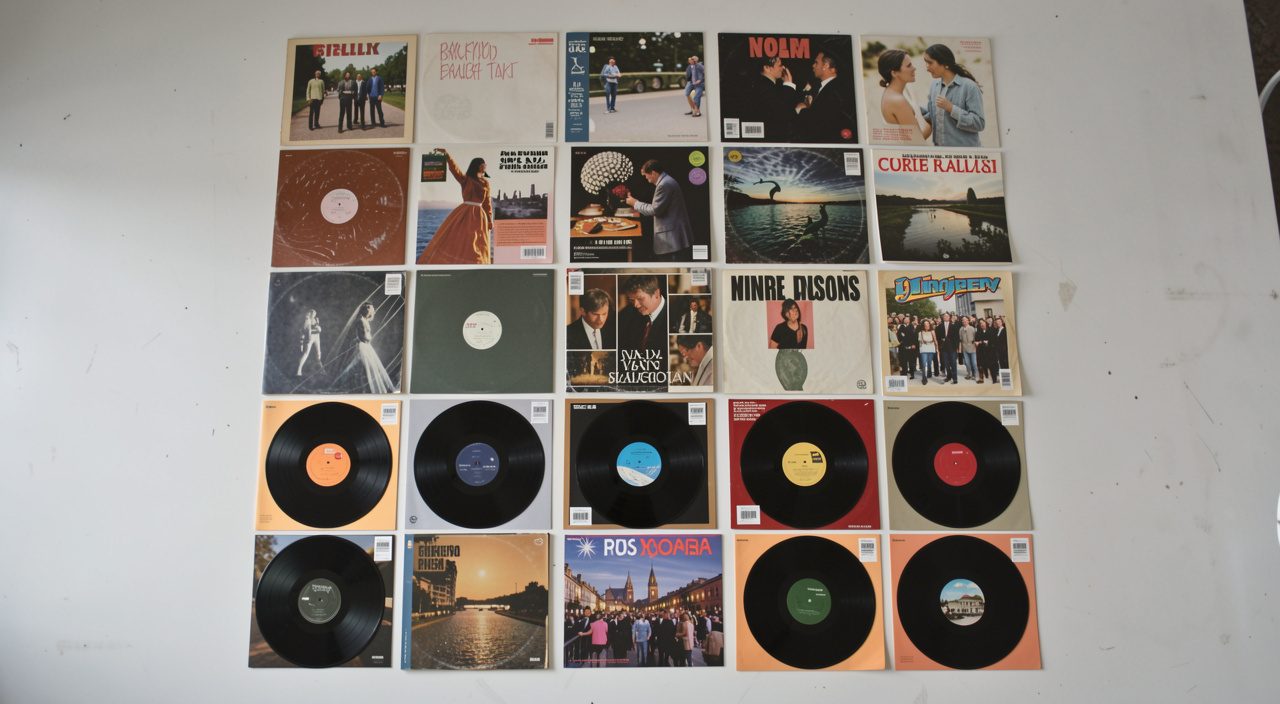
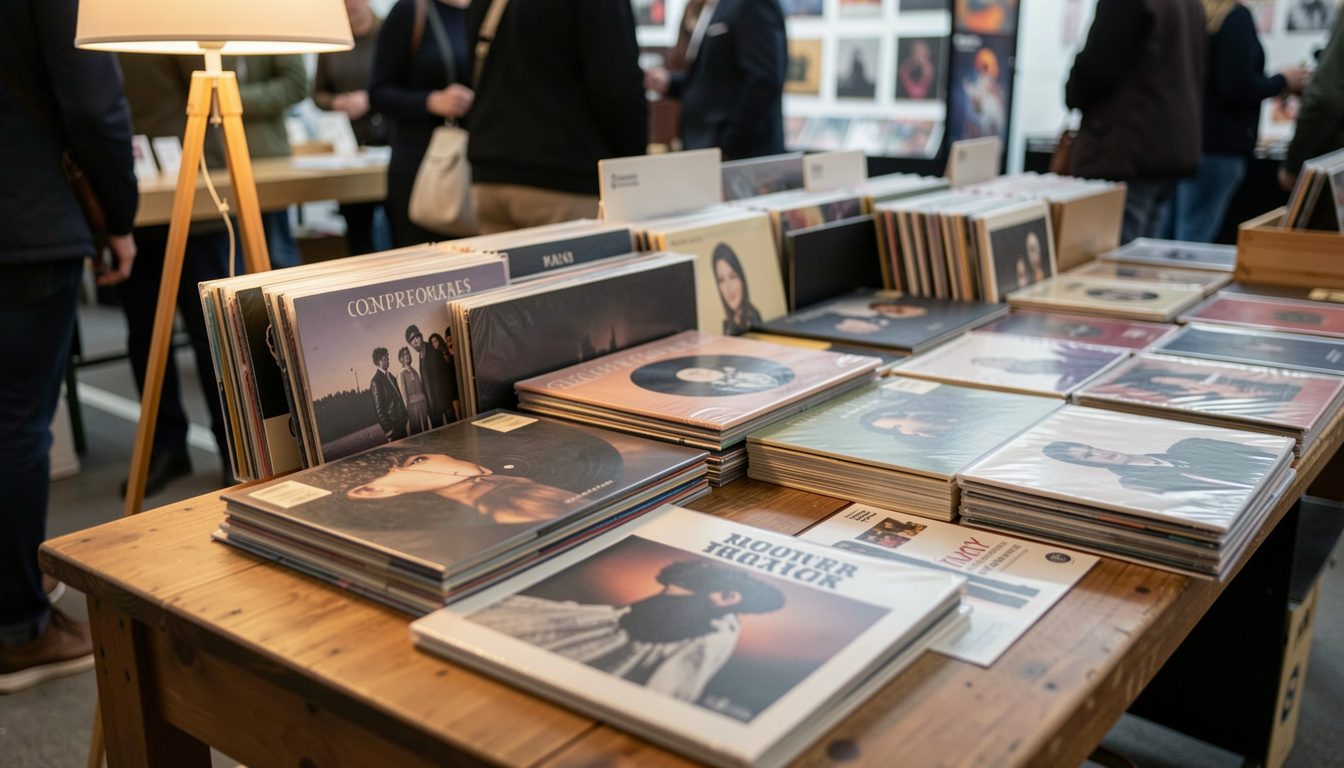
- Commissioned photography and illustration. Every picture on this site was made for us, for the page it sits on.
- Writing that is plainly ours, sourced in the text, so you can see whether a claim comes from a night we sat through or from an afternoon in an archive.
- The public record: releases, chart runs, sessions, tours, and the parks and halls where listeners have gathered.
- The officially released catalogue, with the label and the year, so you can go and hear the thing for yourself.
- Gatherings written up by what happened in the room, with recognisable people in a picture only when they have asked to appear.
That last one matters more than it sounds. A fan gathering is a semi-public event full of people who came for the evening rather than for a website, and a surprising number of them have good reasons for staying out of the search results. When we illustrate an event, we commission an image instead.
How this is paid for
Out of our own pockets, and the sum involved is roughly the cost of one takeaway a month. The domain, the hosting and the commissioned pictures are the whole of the budget, which means the reader is the only person this journal has to answer to.
We mention venues, railways, festivals and events by name throughout the gatherings section. In every case that is because we or somebody we trust has actually used them, and every recommendation here was paid for at the counter by the person making it.
Corrections
We get things wrong. Release dates get transposed, chart positions get misremembered, and a hall that was cheap in 2019 is not cheap now. If you spot an error, tell us what it is and where you saw the correct version, and we will fix the page rather than quietly deleting the sentence.
If you believe we have used material you own, write to us and we will take the page down while we look into it. We would rather lose an essay than argue about it.
Getting in touch
One address covers everything: contact at ukkatebushfangatherings dot co dot uk, written out that way to keep the address harvesters busy. Corrections, rights queries, and questions from people organising something all arrive in the same place.
We answer most things within a week or two. We are slower in July and August, for reasons that anybody who has helped run a summer event will understand. The letters we can do most with are corrections to a page, rights queries about a picture or a quotation, and questions about the practical end of organising: halls, licences, insurance, access and money.
If you are starting something of your own and want a second pair of eyes on the plan, that is genuinely the correspondence we most enjoy. Send us the date, the room and the budget and we will tell you what we think will go wrong, which after all this time is the one thing we are reliably good at.